Nearly 130 million Americans have a major chronic health condition.1 Conditions such as cardiovascular disease, cancer, obesity and type 2 diabetes do more than affect your health. They can also impact your finances, consume precious time and decrease your quality of life.
Understanding your risk factors and taking a proactive approach to your health can help detect issues early and potentially prevent some diseases.
Are you at risk for some of the most common chronic health conditions?
A chronic health condition is a long-term health issue, often lasting a year or more, that limits daily activities and requires ongoing medical treatment.
Four common chronic conditions include cardiovascular disease, cancer, obesity and type 2 diabetes.
The facts: Heart disease is the leading cause of death in the U.S.2 Cardiovascular disease includes heart attacks, blood vessel disease, strokes, heart failure, arrhythmia and heart valve issues.3
Risk factors: Age, family history and ethnicity are risk factors that cannot be controlled. Other risk factors can potentially be controlled, including high blood pressure, high cholesterol, physical inactivity, high alcohol consumption and tobacco use.4
Treatment: This varies depending on the type of heart disease and cause. Treatment can include healthy eating, exercise, tobacco cessation, medications, medical procedures or heart surgery.5
The facts: One in three men and women will be diagnosed with cancer in their lifetime.6 Of the 100+ types of cancer7, breast, lung and bronchus, prostate and colorectal cancers account for nearly half of all new cancer cases in the U.S.8
Risk factors: Risks include age, smoking, excessive sun exposure, obesity, family history, chronic health conditions and environmental factors.9
Treatment: This varies widely depending on the type and stage of cancer. Treatment could include chemotherapy, radiation, surgery, a bone marrow transplant, immunotherapy, targeted drug therapy or clinical trials.10
The facts: About 40% of U.S. adults are obese, which increases the risk of type 2 diabetes, stroke, hypertension and coronary heart disease.11
Risk factors: Many factors can contribute to obesity, including:12
Treatment: A health care provider can perform an exam and develop a weight loss plan. This could include calculating your body mass index (BMI) and ruling out other health issues. A healthy diet and physical activity are vital to losing weight and keeping it off.
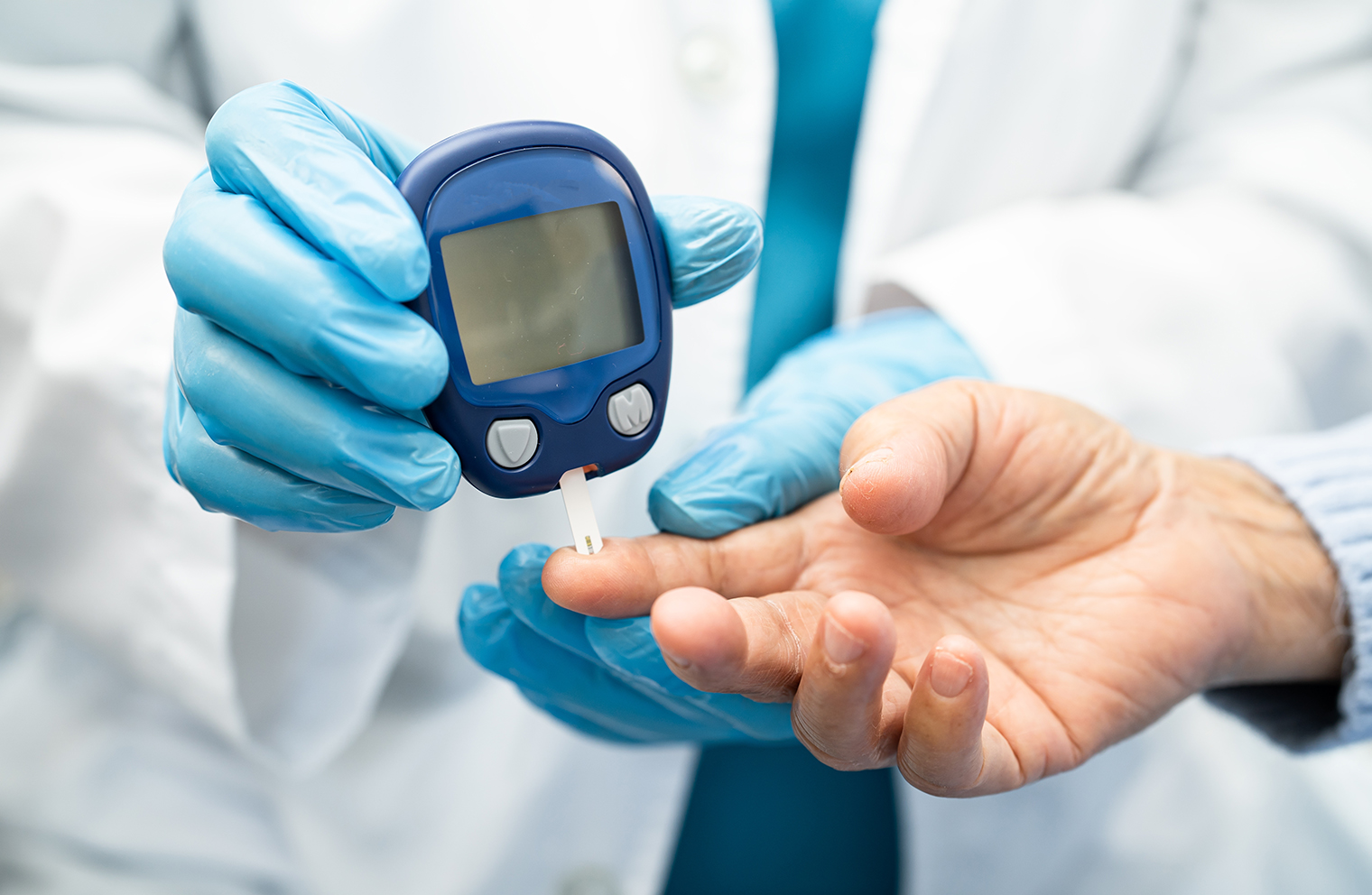
The facts: More than 11% of Americans have diabetes. It’s an expensive disease, costing more than $300 billion in direct medical costs.13 It occurs when the body doesn’t make or manage insulin properly. Common symptoms include frequent urination, fatigue, increased thirst, blurry vision, and tingling or pain in the hands and feet.14
Risk factors: Obesity, family history, lack of physical activity, ethnicity and age are risk factors for type 2 diabetes.15
Treatment: People with type 2 diabetes can work with a health care provider to develop a plan for healthy eating. This can include learning to read food labels and understanding how to balance carbohydrates, proteins and fats. Treatment can also include a weight loss plan, regular blood glucose testing, and the use of insulin or other medications.
Screenings are critical for early diagnosis, potentially leading to less invasive treatment and better outcomes. Most health plans offer preventive care at no additional cost.18 If you have a GuideStone® health plan, view the Preventive Schedule to learn which screenings may be available.17
It’s also important to discuss family history with your health care provider. Eat a healthy diet, exercise regularly, and avoid tobacco use and excessive alcohol consumption.184 If you are diagnosed with a chronic condition, seek ongoing treatment and don’t skip appointments.
We understand that dealing with a chronic condition can be challenging. That's why Member Experience Specialists are available to help GuideStone health plan members17 navigate complex health issues. For more information, contact us at Insurance@GuideStone.org or 1-844-INS-GUIDE (1-844-467-4843), Monday through Friday, from 7 a.m. to 6 p.m. CT.
GuideStone welcomes the opportunity to share this general information. However, this article is not intended to be relied upon as medical advice, diagnosis or treatment.
1CDC.gov/pcd/issues/2024/23_0267.htm
2Newsroom.Heart.org/news/more-than-half-of-u-s-adults-dont-know-heart-disease-is-leading-cause-of-death-despite-100-year-reign
3Heart.org/en/health-topics/consumer-healthcare/what-is-cardiovascular-disease
4CDC.gov/heart-disease/risk-factors/index.html
5MayoClinic.org/diseases-conditions/heart-disease/diagnosis-treatment/drc-20353124
6Cancer.org
7Cancer.gov/about-cancer/understanding/what-is-cancer
8Seer.Cancer.gov/statfacts/html/common.html
9MayoClinic.org/diseases-conditions/cancer/symptoms-causes/syc-20370588
10MayoClinic.org/diseases-conditions/cancer/diagnosis-treatment/drc-20370594
11CDC.gov/nchs/products/databriefs/db508.htm
12My.ClevelandClinic.org/health/diseases/11209-weight-control-and-obesity
13Diabetes.org/about-diabetes/statistics/about-diabetes
14WebMD.com/diabetes/diabetes-basics
15CDC.gov/diabetes/risk-factors/index.html
16Preventive care is covered at no additional cost when using in-network providers and facilities for eligible routine preventive care.
17Excluding Medicare-coordinating plans and Cigna Healthcare®International plans.
18CDC.gov/chronic-disease/prevention/index.html
 Article
• May 12, 2026
Article
• May 12, 2026