For most adults, driving a vehicle is as routine as brushing their teeth. However, just because we can drive from point A to point B does not mean we do so in a safe manner. Everyone on the road is at risk of becoming involved in a vehicle accident. Individuals driving on behalf of their church are no exception.
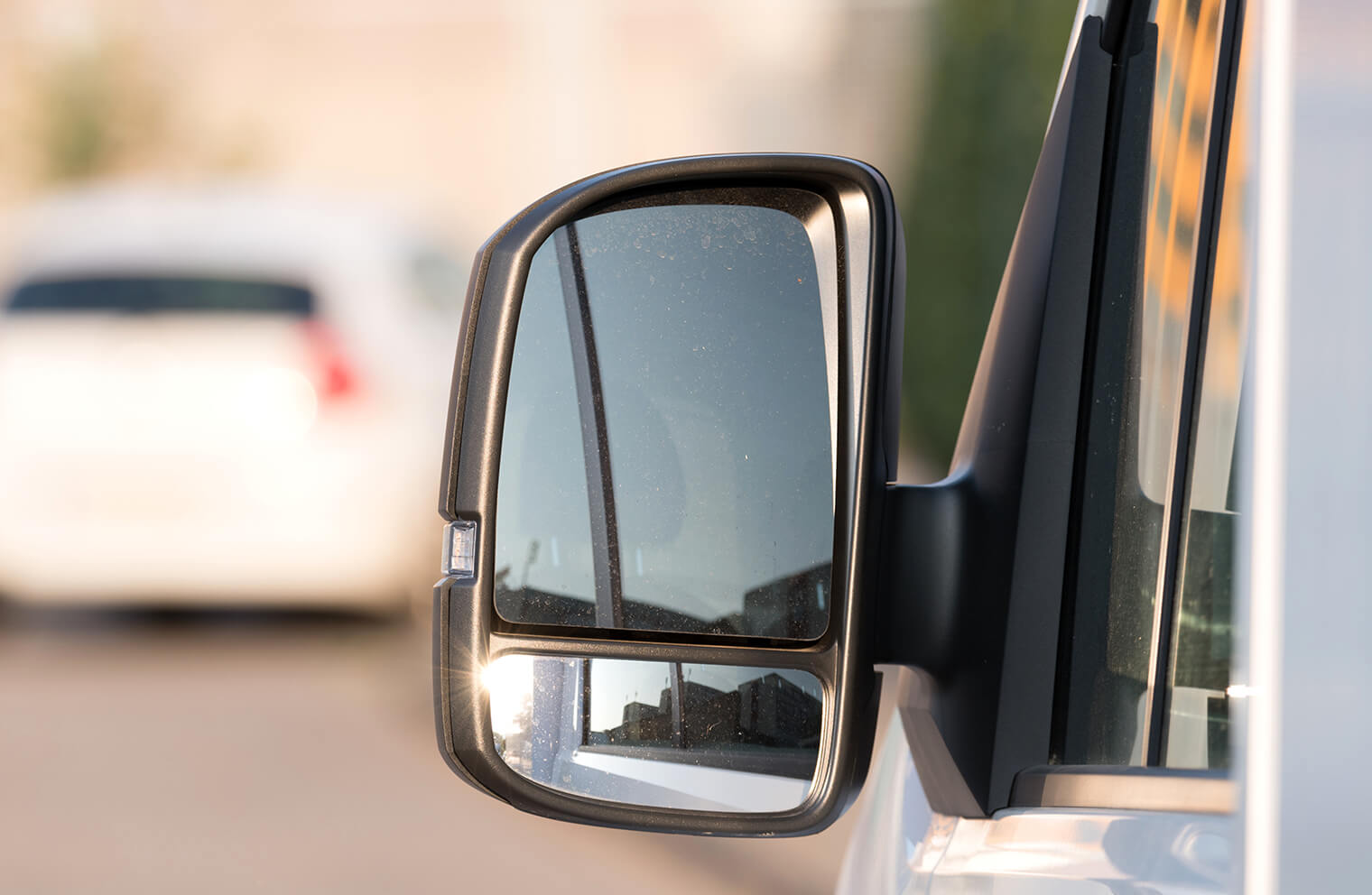
More than 35% of church vehicle incidents from 2003–2007 were due to backing, parking or hitting fixed objects. A possible cause is the driver's unfamiliarity with a church van's maneuverability and blind spots. Whether an incident involves a small scratch to the vehicle or striking a pedestrian, a backing or parking accident can be avoided by taking a few extra precautions.
The use of good backing techniques, continued vehicle backing education and practice in a secure site can help prevent these types of accidents. Here are a few pointers to share with your drivers:
Whenever possible, drivers should avoid backing vehicles. Drivers should let passengers off at the front of the church and then drive to a more remote area of the parking lot. The driver should pull the vehicle through the parking space and position it to eliminate the need to back up.
When arriving at a destination, rather than pulling into a parking space, vehicle drivers are encouraged to back into the space. Backing into parking spaces is an industry-recognized best practice that is used to help avoid collisions while backing. This may seem counterintuitive, but the driver is likely to be more aware of his or her surroundings and have greater visibility when backing into a parking space. When approaching a parking space, observe the area before attempting to back in. Vehicles that are left unattended should be reinspected by the driver prior to pulling out of a parking space to avoid collision. Keep in mind that the area surrounding a parked vehicle can change dramatically when the driver is away.
The concept is fairly simple in that you should attempt to maintain a safe distance surrounding your vehicle while in traffic to allow yourself adequate time to stop the vehicle or safely maneuver around a hazard.
The first step of maintaining a safe following distance from the vehicle in front is to understand what a safe distance should be. Nationally, driver education programs have defined a safe following distance as being between two to four seconds from the vehicle ahead of you. This is largely dependent on the conditions of the road and speed of the vehicle. While opinions vary as to the number of seconds, they all agree upon the concept of a safe distance. To determine how to maintain a safe distance, use the following tips:
Many drivers are unaware they may be riding in another driver's blind spot and, as a result, don't leave themselves an escape route to avoid collision.
Tailgating is an aggressive and dangerous behavior. Drivers who encounter tailgaters should simply signal, change lanes and let the driver pass through without confrontation. If you are on a two-lane road or otherwise are unable to move over to the right safely, slow down slightly below the normal flow of traffic speed and increase your own following distance to the vehicle ahead. Slowing down will make it easier for your tailgater to pass you when it is possible to do so. Increasing your own following distance takes into consideration the reduced reaction and braking time of your tailgater. Your increased cushion will allow you to brake more gently and reduce the chance of the tailgater rear-ending your vehicle.
Studies have shown most people think they drive more safely than the average driver does. Logistically, this is impossible. However, by following the guidance provided here, you can reduce your driving risk and practice the ultimate act of charity by possibly saving someone else's life — or your own.
This article is for informational purposes only and is not intended to be construed as legal advice. Readers should use this article as a tool, along with best judgment and legal advice to determine appropriate policies regarding the use of volunteer drivers and their vehicles.
 Article
• Dec 23, 2020
Article
• Dec 23, 2020