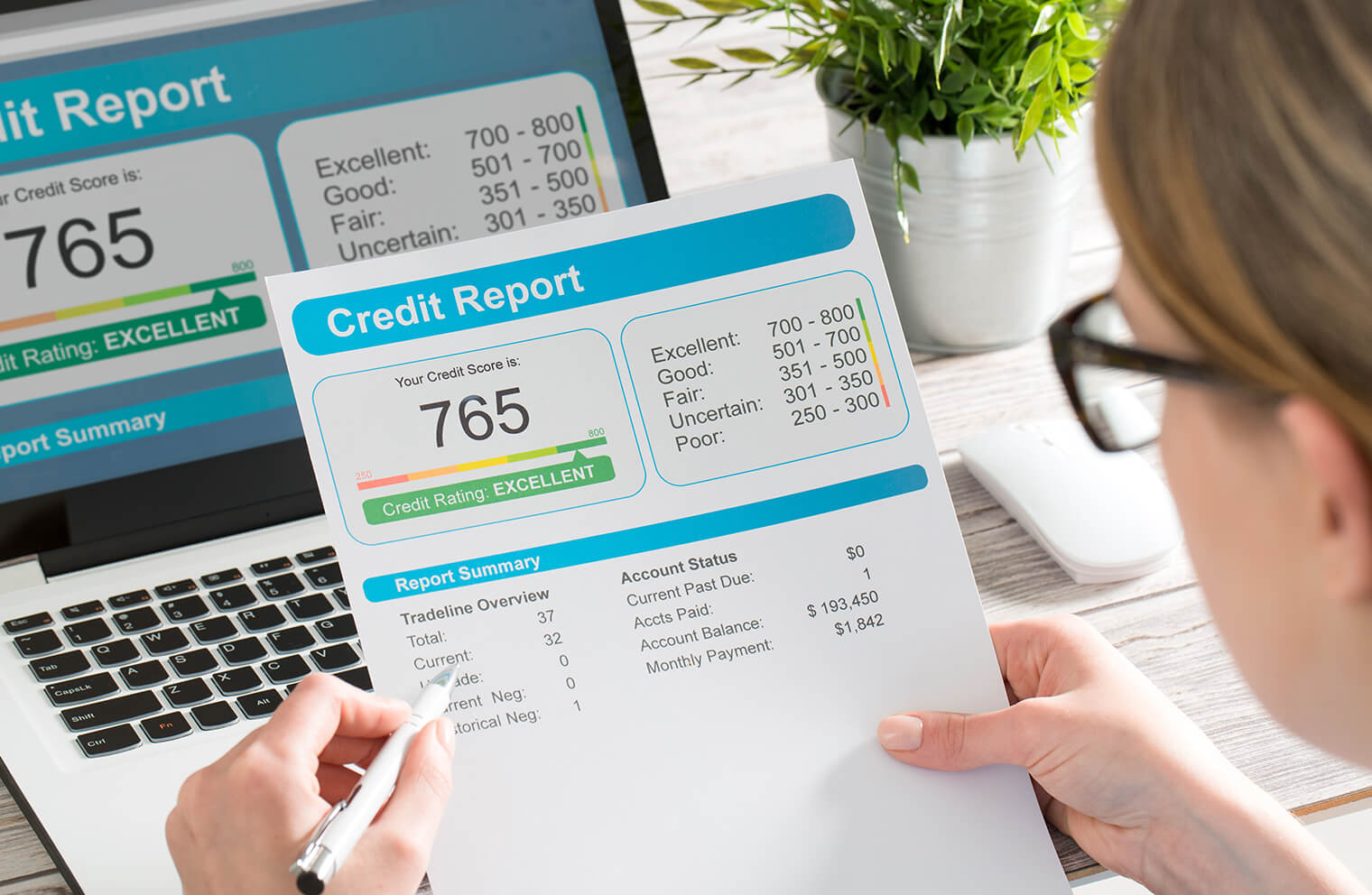
Whether you know it or not, there are people keeping track of your numbers. No, it’s not the number of times you started a diet this year or the number of sit-ups you’ve done this month. In fact, it is not your weight, cholesterol or golf handicap. Three different credit bureaus track your credit history, and they use that information to calculate and report your credit score.
Why should you care? Your credit score may determine whether you are offered a loan, a preferred interest rate or an insurance policy. Many businesses use your credit information to assess your ability to handle your financial responsibilities.
Monitoring your credit information is a healthy financial habit. But what is the difference between a credit report and a credit score, and when and why will creditors want to see them?
Here are the basics:
FICO®, formerly known as Fair, Isaac and Company, specializes in predictive analytics. The company gathers and analyzes information to predict what is likely to happen. To generate credit scores, its scoring model uses information provided by the three major credit reporting agencies:
FICO itself is not a credit reporting agency. VantageScore® and some financial institutions also create credit-scoring models.
Many factors make up your credit score. Two of the most important are your payment history and the amount you owe.
Even one late payment can negatively affect your credit. Always pay your bills on time if possible, even if that means paying only the minimum amount due. Setting up automatic payments from your checking account may help you avoid inadvertently missing a payment.
You should also keep your debt-to-available-credit ratio low by following smart credit guidelines. Try not to max out a credit card or go above its spending limit. In addition, avoid opening too many credit accounts because frequent applications for new credit may negatively affect your score.
Here are a few suggestions to help you keep tabs on your credit information.
Reviewing reports from all three bureaus can give you a more complete view of your credit history because the information contained in each report may differ.
Make sure accounts you thought you closed are reported accurately. If an account should have been closed, contact the company associated with it. For other errors, contact the appropriate credit reporting bureau.
The Fair Credit Reporting Act promotes the accuracy and privacy of information held by Equifax, Experian and TransUnion. It gives consumers the right to dispute inaccurate information in their credit reports.
Avoid maxing out your credit cards, exceeding spending limits or applying for more credit than you need. Responsible credit management over time can help you maintain a positive credit history.
Knowing the difference between a credit score and a credit report is a smart way to protect your credit integrity and manage your money. A little knowledge, regular monitoring and careful planning can go a long way toward helping you maintain a good financial score.
At GuideStone®, we want every servant of Christ to finish well. Our mission is to enhance the financial security and resilience of those who serve the Lord. For more information, contact us at Info@GuideStone.org or 1-888-98-GUIDE (1-888-984-8433) Monday through Friday, 7 a.m. to 6 p.m. CT, to speak with a customer solutions specialist.
 Article
• Oct 12, 2026
Article
• Oct 12, 2026